


Essential Summer Safety Tips to Keep Your Dog Cool and Hydrated

Sunny days invite longer walks, garden playtime, and outdoor adventures with our dogs. While we enjoy the warmth, dogs face real challenges in hot weather. Unlike humans, dogs cannot sweat to cool down. They mainly rely on panting, which makes them vulnerable to overheating and dehydration. Knowing how to protect your dog during summer is crucial to keeping them safe and comfortable.
Why Hot Weather Poses a Danger to Dogs
Heatstroke is a serious risk for dogs in warm weather. It can develop quickly and become life-threatening if not treated promptly. Some dogs are more vulnerable than others:
Puppies and senior dogs
Flat-faced breeds like Bulldogs, Pugs, and French Bulldogs
Overweight dogs
Dogs with thick or double coats
Dogs with heart or breathing problems
Even healthy dogs can overheat if exercised during the hottest parts of the day. Understanding these risks helps you plan activities safely.
Signs Your Dog May Be Overheating
Recognizing early signs of overheating can prevent emergencies. Watch for:
Excessive panting
Bright red gums or tongue
Drooling more than usual
Weakness or tiredness
Vomiting or diarrhea
Confusion or wobbling
Collapse
If you notice any of these symptoms, move your dog to a cool place immediately. Offer fresh water and gently cool them with lukewarm water. Contact your vet as soon as possible.
How to Keep Your Dog Cool During Summer
There are simple steps to help your dog stay comfortable in the heat:
Walk your dog early in the morning or late in the evening when temperatures are lower.
Choose shaded routes to avoid direct sun exposure.
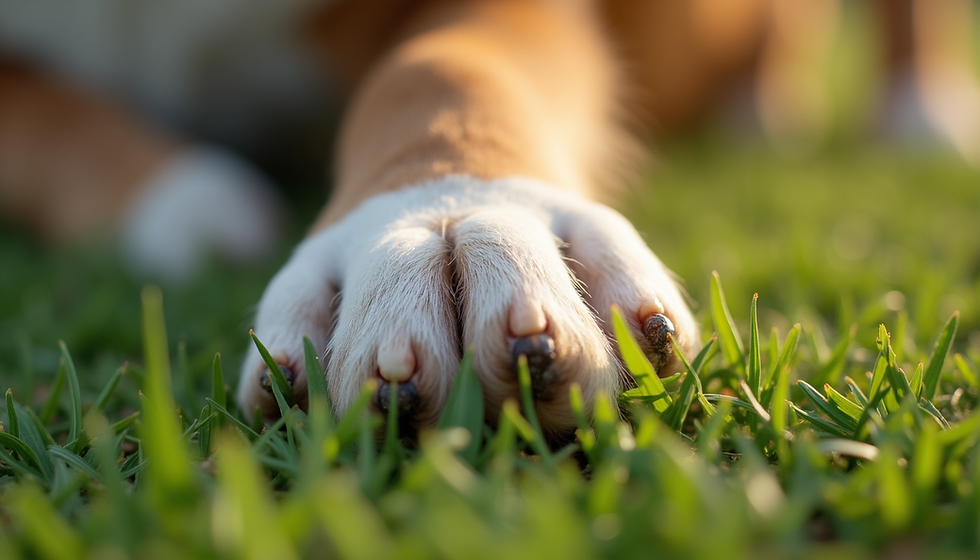
Avoid hot pavements; if it’s too hot for your hand, it’s too hot for your dog’s paws.
Use a cooling mat or a damp towel for your dog to lie on at home.
Provide plenty of shaded spots in your garden or yard.
Never leave your dog in a parked car, even for a few minutes.
These small changes can make a big difference in your dog’s comfort and safety.

The Importance of Hydration
Fresh drinking water should always be available for your dog. When you are out, bring water and a portable bowl. Dogs lose fluids quickly in hot weather, so regular water breaks are essential. Signs of dehydration include:
Dry nose and gums
Sunken eyes
Lethargy
Loss of appetite
If your dog shows these signs, encourage them to drink and seek veterinary advice if symptoms persist.
Adjusting Exercise and Playtime
Exercise is important, but during summer, timing and intensity matter. Avoid vigorous activity during midday heat. Instead:
Schedule walks during cooler hours.
Opt for gentle play in shaded areas.
Consider swimming as a low-impact way to cool down and exercise.
Always watch your dog closely for signs of fatigue or overheating during activity.
Grooming Tips for Hot Weather
Proper grooming helps dogs stay cool:
Regular brushing removes excess fur and prevents matting, which traps heat.
Avoid shaving your dog’s coat completely; their fur protects against sunburn and overheating.
Trim hair around paws and ears to improve airflow.
Consult your groomer or vet for advice tailored to your dog’s breed and coat type.
Recognizing When to Seek Veterinary Help
Heatstroke can escalate quickly. If your dog shows severe symptoms like collapse, seizures, or unresponsiveness, seek emergency veterinary care immediately. Early treatment improves outcomes.


Comments